FIFA WORLD CUP 2026: THE CREATORS WORLD CUP
Originally published by Portugal Football Summit Strategic Insight Series / June 2026

We are not watching a football tournament.
We are watching the most consequential creator event in the history of sport, dressed in football boots and played out across 16 host cities, 104 matches, and an internet that never sleeps.
FIFA World Cup 2026 marks the decisive inflection point the sports and media industry has been theorising about for a decade. The moment when distribution power, narrative control, and audience ownership permanently shifted from legacy broadcasters to a new class of digital architect. The moment a 40-year-old goalkeeper from a nation of less than 550,000 became more famous in 90 minutes than most stars on the pitch. The moment a 21-year-old streamer from Cincinnati released the first creator-originated song in history to land on the Official FIFA World Cup Album. The moment that Portugal — a nation of 10 million people — sits at the centre of the world’s largest cultural and sporting content moment, with its captain the most followed human being on the planet.
This is not a trend. This is a structural reset of the entire sports media ecosystem. And the executives, federations, and brands that read this moment correctly will define the next decade of sports.
1. The Distribution Revolution: CazéTV, LiveModeTV and Cristiano Ronaldo
In Brazil, CazéTV is not covering the World Cup. It is the World Cup for an entire generation of fans.
Born from the visionary creative alliance between LiveMode and digital broadcaster Casimiro Miguel, CazéTV has accumulated over 23 million YouTube subscribers and secured the rights to broadcast all 104 matches of FIFA World Cup 2026 in Brazil. This is not a digital experiment bolted onto a traditional rights structure. This is digital-first as the primary product — with creators, personality, and community sitting at the very core of the broadcast experience.
The model has now crossed the Atlantic. LiveModeTV launched its first international channel specifically for this tournament, broadcasting 34 matches live on YouTube in Portugal — including every Portugal national team match — entirely free of charge, funded by advertising and brand partnerships. The content is anchored by former footballers and Portuguese creators, operating in the register of authentic fan engagement rather than the formal distance of legacy broadcasting.
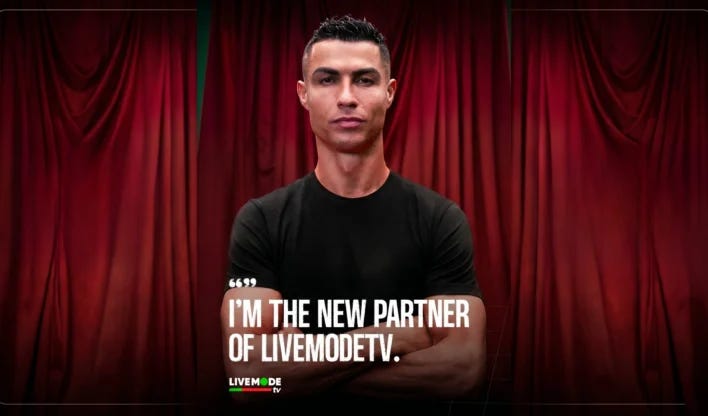
But the single most powerful signal of validation for this model came on May 14, 2026, when Bloomberg broke the news that Cristiano Ronaldo — the world’s first billionaire footballer, and the most followed human being on the planet — had acquired a significant stake in LiveModeTV, joining the company as a strategic partner and shareholder. In Livemode own words, Ronaldo said the mission was to make sport available to everyone “in a completely new and inspiring way.”
The implications of this move cannot be overstated. Ronaldo does not simply bring capital to LiveMode TV. He brings over 1 billion combined digital following, a global brand that transcends football, and a credibility signal to every potential partner, broadcaster, and investor in every market where LiveMode intends to expand. He joins a shareholder group that already includes General Atlantic and an XP Asset private equity fund. The company has since stated publicly that Ronaldo will help drive the international expansion strategy — with Portugal as the immediate launchpad and the rest of Europe as the next frontier.
This dual model — Brazil and Portugal connected by the same infrastructure, the same bold philosophy, the same commercial bet on open access — is the clearest proof of concept the sports media industry has produced. The business case is not disruption as ideology. It is a demonstrably superior product that earns demonstrably superior attention, backed by demonstrably world-class strategic capital.
The days of requiring fans to pay a subscription to watch their national team play in a World Cup are increasingly scarce. The real question that remains is who owns the relationship, the data, and the community when the content is free and the audience is massive. CazéTV and LiveModeTV have answered that question.
2. The Vozinha Effect: When a Moment Becomes a Movement
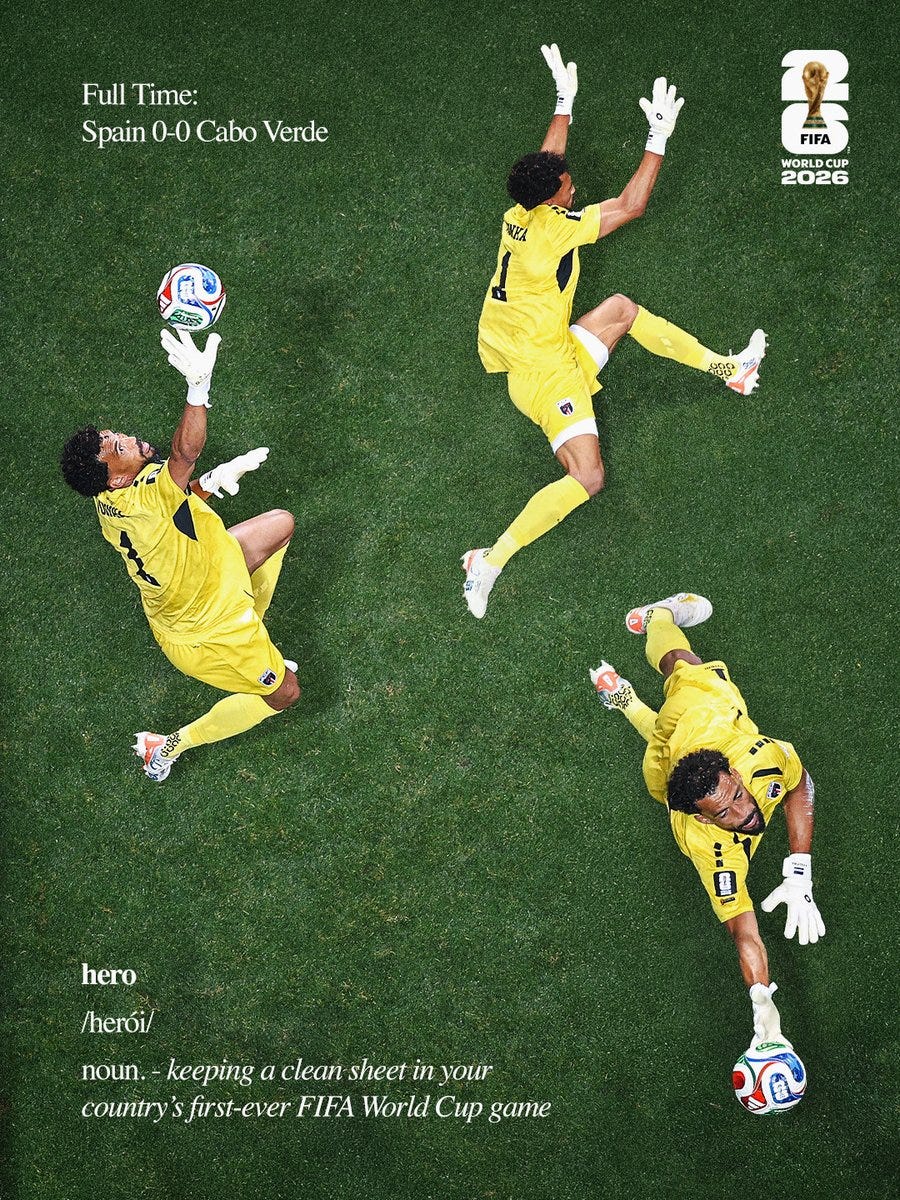
On 14 June 2026, Josimar José Évora Dias — known by his nickname Vozinha — walked into a World Cup group stage match against Spain with approximately 50,000 Instagram followers. He was 40 years old. He was the goalkeeper of Cabo Verde, a small island nation of fewer than 550,000 people, competing in their first-ever FIFA World Cup.
Over the course of 90 minutes, he faced 27 shots and made seven world-class saves. He earned the Player of the Match award. He kept the reigning European Champions scoreless in a historic 0-0 draw that sent shockwaves through the tournament. He wept at the final whistle, thinking of his late grandparents who raised him and his mother who could not afford the visa and travel costs to be present.
By the time the officials blew the final whistle, Vozinha had exceeded 5 million Instagram followers. Within 48 hours, that figure surpassed 8.6 million — more than 16 times the entire population of Cabo Verde. Players across the footballing world posted tributes. Global creators produced reaction content. His name trended simultaneously across TikTok, YouTube Shorts, Instagram Reels, and X in over 40 countries.
This is not merely a viral moment. This is the architecture of the Creator Economy revealing itself in real time. The infrastructure was already built. The platforms were already live. The creator amplification networks were already active. Vozinha provided the raw content: an extraordinary human performance wrapped in an impossible story. The Creator Economy did the rest.
Football has always produced heroes of this magnitude. What is categorically new is the speed, scale, and intimacy with which those heroes are now distributed to a global audience. Vozinha did not need a press agency, a broadcast deal, or a marketing campaign. He needed 90 minutes and a world that was already watching.
3. IShowSpeed: The Creator as Tournament Architect
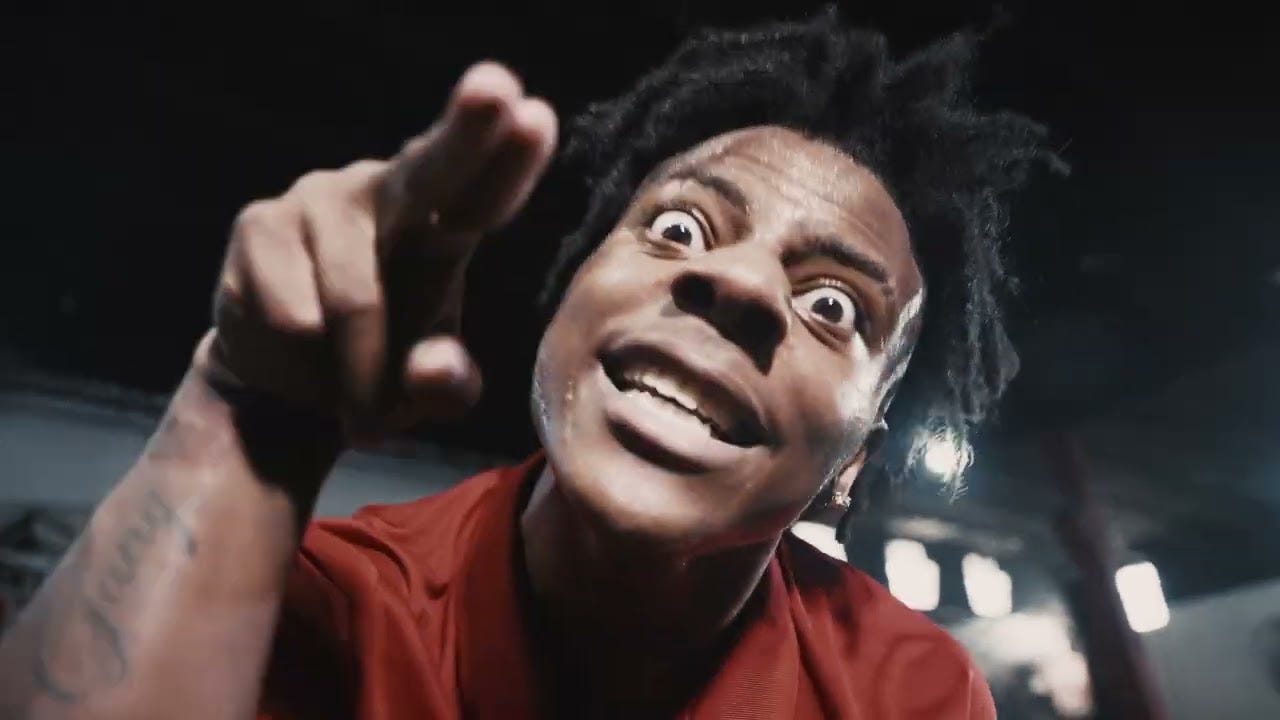
IShowSpeed — Darren Jason Watkins Jr., 21 years old, YouTube’s most energetically unstoppable global superstar — did not simply attend the World Cup. He built an entire parallel universe around it, months before a single ball was kicked.
The pre-tournament architecture began with his Caribbean Tour, launched on April 25, 2026, covering 15 nations across the region including Jamaica, Trinidad & Tobago, Barbados, the Dominican Republic, Puerto Rico, and St Lucia. In St Lucia, the streets were so overwhelmed by fans that schools effectively emptied as thousands of children turned out to see him pass through the island. The footage went globally viral. The Caribbean, a region historically underrepresented in football’s global narrative, was suddenly at the centre of the world’s conversation about the sport.
Speed then released “World Cup (Champions)” on June 1, 2026 — a full anthem produced through Warner Records that accumulated 3.3 million views within hours of release, exceeding 19 million YouTube views within days. What happened next changed the creator economy’s relationship with football’s governing body permanently. FIFA’s official Instagram account slid into Speed’s DMs on a live broadcast with the message: “We heard it. We liked it. It’s on the Official FIFA World Cup 2026 Album.” Speed became the first professional digital creator in history to appear on an official FIFA tournament soundtrack, listed alongside Shakira and Burna Boy on one of the world’s most watched cultural albums.
FIFA President Gianni Infantino personally presented Speed with the first-ever official FIFA Fan ID at FIFA headquarters in a ceremony that was itself a piece of content — watched and shared by millions. The subsequent World Cup 26 Tour, following the tournament across the United States, Canada, and Mexico, was co-announced in a trailer filmed at FIFA headquarters alongside Infantino. This is not a brand partnership. This is a co-production between football’s governing body and the creator economy.
Inside the tournament, Speed’s interactions have redefined what creator access to a major sporting event can produce. At the Brazil versus Morocco match at MetLife Stadium, Speed sat alongside CazéTV’s legends Kaká and Roberto Carlos. Kaká — the 2007 Ballon d’Or winner, former AC Milan and Real Madrid icon — personally made his way to Speed’s seat to take a photograph together. The reason? The photo was for Kaká’s daughter Isabella, a fan of the streamer. The image of a global football legend seeking out a 21-year-old creator on behalf of his child is one of the defining images of the Creator World Cup. It says everything about who holds cultural currency in 2026.
Speed also encountered Ronaldo Nazário, Zlatan Ibrahimović, Thierry Henry, Paul Pogba, Travis Scott, and Fanatics CEO Michael Rubin in the same stadium complex. He crossed content universes with Luva de Pedreiro — Iran Ferreira, the Brazilian creator who went from a small village in Bahia to 40 million social media followers through sheer joy, personality, and football skill. Their intersection inside the Creator World Cup is the moment when two completely different creator archetypes — hyperkinetic American streamer and barefoot Brazilian folk hero — collide in the world’s most watched venue.
This week, Speed announced he’ll broadcast official World Cup Footage on his own stream. Outside the US, fans get the match and Speed on a free stream. In the US, that combo sits behind a paid Fox One subscription. This represents effectively a clear bet by all FIFA, FOX and You Tube on the 21-year-old streamer. And fans are already showing up - 9,2 million watched his stream for Portugal’s opener. He will also cover the knockout rounds, both semi-finals and the finals with match footage. He is borrowing Fox’s and FIFA live feed for a handful of games. No rights of his own yet, just access - a global test run in the biggest sports event globally. This is exactly where Casemiro and Cazé TV started in 2022, making Speed in 2026, Cazé in 2022.
Casimiro started streaming football from his apartment in 2020. His over the top reactions blew up and by 2022, FIFA trusted him with 22 World Cup Matches, as a test. Brazil’s opener then pulled 3,5 million viewers into the stream. By the Round of 16 it was 5,3 million. The experiment worked and in 2026 CazéTV held the rights to all 104 World Cup Matches, free on YouTube. Earlier last week, the Brazil vs Morocco stream peaked at 12,7 million viewers at once, the biggest football stream in YouTube’s history.
But the single most important relationship in the entire creator economy narrative of this tournament is the one between IShowSpeed and Cristiano Ronaldo. Speed’s lifelong, publicly declared devotion to Ronaldo as the GOAT — expressed obsessively across hundreds of streams and videos — has created a content bridge between football’s largest traditional audience and its largest next-generation audience. Their collaborations, from Ronaldo’s participation in Speed’s content to the cultural phenomenon of Speed wearing a Ronaldo shirt on international broadcasts, represent a convergence of digital gravity that no media company could replicate with a budget of any size. What should be Ronaldo’s final World Cup has, paradoxically, become his most-watched global content moment.
And to intensify the drama and the narrative, Cristiano Ronaldo, Speed’s own idol, just bought a major stake in CazéTV’s parent company, a true landmark of the streamer takeover of football.
4. Super Teams, Super Moments: The New Football IP Architecture
The concept of a “super team” has been permanently redefined by this tournament.
France enters the 2026 World Cup topping the inaugural World Cup Sports Social Pulse rankings, with over 16 million followers on both Instagram and TikTok. Portugal and Argentina collectively own the two most powerful individual social media presences in the history of sport — Ronaldo at approximately 665 million Instagram followers and Messi at 505 million. Brazil, England, Germany, and the United States command billions of combined followers across their squads. These nations are not simply football teams. They are diversified global media properties that happen to compete in a football tournament.
But FIFA World Cup 2026 has introduced an equally important counternarrative: the Super Moment. And the Creator Economy has given the Super Moment a distribution power that can rival the super teams themselves.
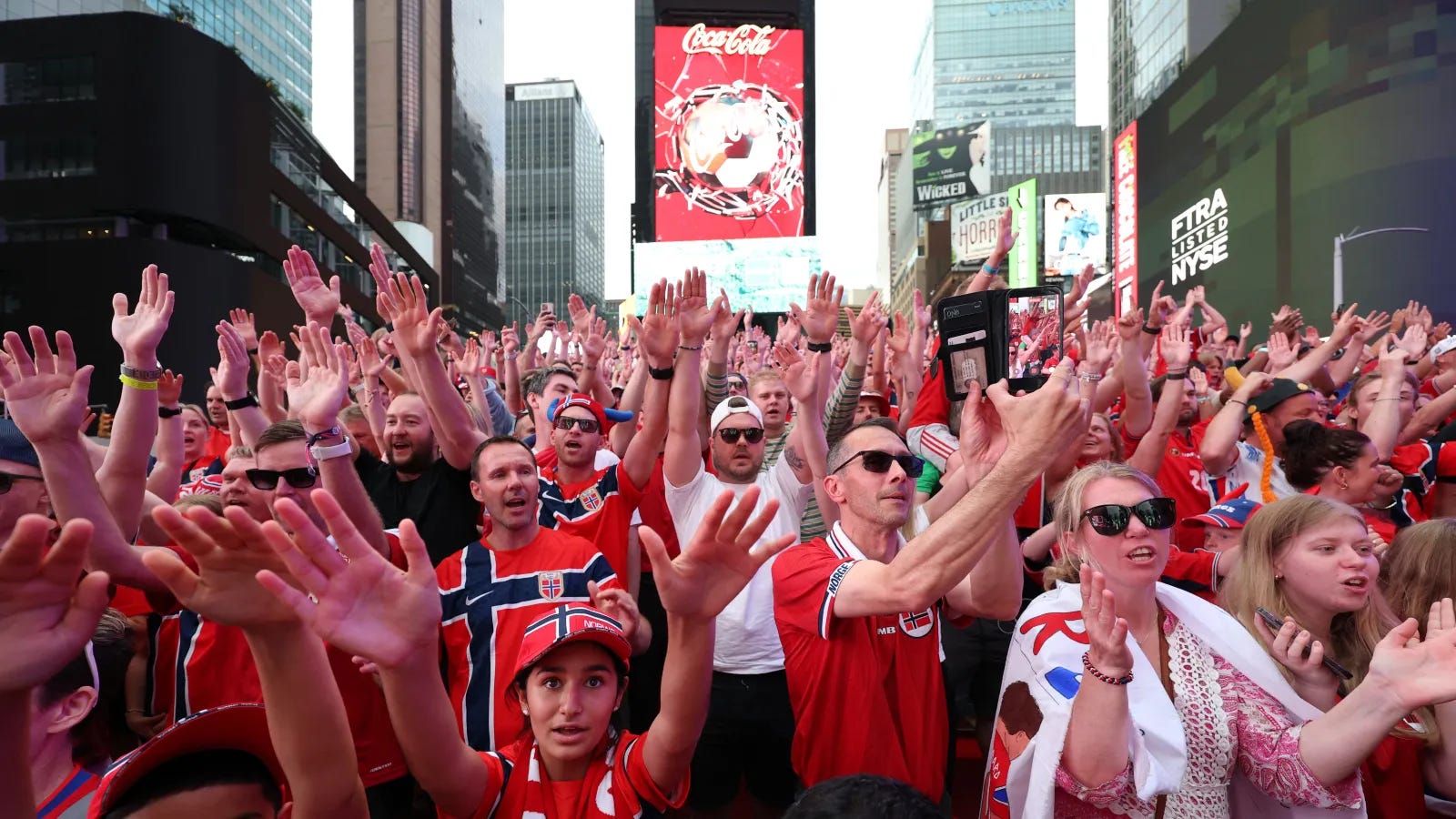
Cabo Verde and Vozinha demonstrated it first. Curaçao — competing in their first-ever World Cup, a nation whose diaspora is concentrated primarily across the Netherlands and whose fans have produced some of the most joyful, vibrant, and culturally resonant supporter content of the entire tournament — demonstrated it next. Norway, took their Viking Row into Viral globally, taking over US starting in Times Square. Egypt, returning with an audience that connects the African continent and the Arab world through a single footballing identity. Japan, whose supporters are celebrated globally not just for football but for the remarkable cultural practice of cleaning stadiums after matches — a practice that generates its own waves of creator content with every tournament appearance. The extraordinary spectacle of Dutch and Japanese supporters celebrating together, their warmth and mutual respect captured and amplified across thousands of creator channels, is a piece of cultural diplomacy that no government programme could have engineered.
The Creator Economy does not distinguish between the super teams and the Super Moment. It rewards the most authentic human connection, the most resonant story, and the most emotionally immediate content. Any nation, any player, any fan can win the internet on any given match day. This is the new competitive dynamic that runs in parallel to what happens on the pitch, and it is generating commercial, cultural, and reputational value at a scale that federations and brands are only beginning to measure.
5. The Brand Creator Ecosystem: From Campaigns to Creator Architecture
The brands winning this World Cup are not running campaigns. They are constructing integrated creator architectures — systematic, always-on, platform-native content ecosystems designed for remixing, sharing, and community co-creation rather than passive consumption.
Nike’s “Rip the Script” short film — featuring Cristiano Ronaldo, Kylian Mbappé, Erling Haaland, LeBron James, Travis Scott, Kim Kardashian, Jason Sudeikis as Ted Lasso, and legends including Ronaldinho, Zlatan Ibrahimović, and Didier Drogba — was engineered for the creator economy from its first frame. Nike produced nearly 185 additional short-form pieces for TikTok, Instagram, X, and Reddit alongside the anchor film, each designed to be a conversation starter rather than a brand statement.
Adidas responded with “Backyard Legends” — Timothée Chalamet, Messi, Bad Bunny, Jude Bellingham, Lamine Yamal, David Beckham, and Trinity Rodman — a campaign that positioned football not as aspiration but as pure joyful culture. Coca-Cola’s “Uncanned Emotions” captures real fan reactions. DAZN deployed a 50-creator network during the Club World Cup warm-up, already operating at the scale of a broadcast network. OneFootball has built deep creator integration into its platform architecture.
And then there is Puma. Quieter in the celebrity spectacle, bolder in its cultural intelligence — and carrying an argument that the industry should pay close attention to.
Puma entered the 2026 World Cup as the official kit sponsor of 11 national teams, including Portugal. Rather than staging a stadium reveal or a cinematic launch film, Puma chose to unveil all 11 kits simultaneously through a street-level tournament at Domino Square in Brooklyn — worn first by local community players from each participating nation, not by celebrities. Football legends Ricardo Quaresma, Asamoah Gyan, and El Hadji Diouf represented Portugal, Ghana, and Senegal respectively, with Ghanaian artist Black Sherif delivering a live cultural performance. The entire activation was built on 11 custom-fabricated experiential trucks, each a fully immersive cultural environment representing one nation — with textile-driven interiors, local food, music, and artefacts sourced from the communities themselves.
For Portugal specifically, the Puma 2026 home kit is one of the most narratively resonant designs the brand has ever produced. Engineered around wave-inspired graphics drawn from Portugal’s Atlantic maritime heritage — “the waves that shaped a nation” — this is the shirt that Cristiano Ronaldo will wear at his sixth World Cup. That single commercial fact makes the Portugal Puma kit one of the most historically significant football garments ever produced.
Puma’s African creator campaign, “Mr Afrizi”, further demonstrates the brand’s strategic sophistication. Built around Moroccan freestyle footballer and creator Chara Freestyle, the campaign uses a fictional character as cultural narrator and unofficial spokesperson — commenting on key tournament moments through the lens of African identity, humour, and football creativity. It is creator-native storytelling at its most considered: not a celebrity endorsement, not a traditional ad, but a living content character that lives inside the tournament’s social conversation and grows with it.
In aggregate, the Nike-Adidas-Puma competitive dynamic at this World Cup maps perfectly onto the broader creator economy strategic spectrum. Nike deploys maximum celebrity firepower and content volume. Adidas positions football as crossover culture. Puma bets on community authenticity, cultural specificity, and earned trust. Each represents a distinct thesis about how to win consumer attention in a fragmented, creator-first media landscape. The evidence from this tournament suggests that all three theses can succeed — and that the brands failing most visibly are those still trying to force the 30-second spot model into a world that has moved irreversibly beyond it.
TikTok became FIFA’s first-ever “Preferred Platform” partner in the history of the men’s World Cup — deploying 30 official Creator Correspondents from 11 countries across 4 continents with formal access to training sessions, press conferences, and match day. TikTok’s own data confirms that fans are 42% more likely to watch live matches after engaging with sports content on the platform. This is not a marketing metric. This is an attribution proof that reframes the entire conversation about what drives live sports consumption.
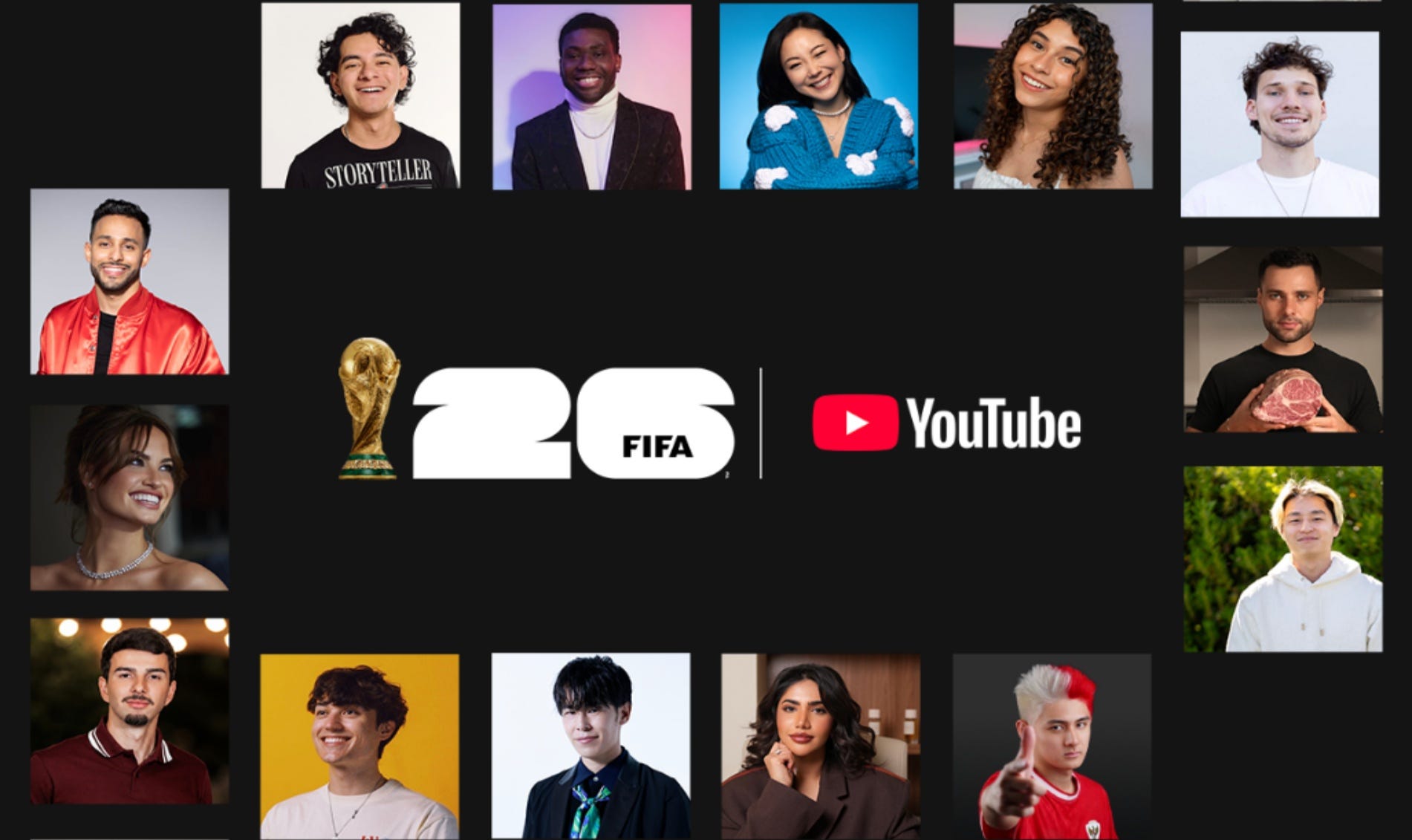
YouTube — also a FIFA Preferred Platform — assembled 25 creators collectively reaching over 350 million subscribers as official World Cup correspondents. The roster includes the Sidemen (one of YouTube’s largest channels globally), Deestroying, Jesser, Courtreezy, Ashley Alexander, Haley Kalil, and Celine Dept, alongside international voices across four continents. On July 12, YouTube hosts the first-ever FIFA Creator Cup at a live match in New York City — a competitive creator football event with a global streaming audience.
The cultural constellation around this tournament is unprecedented in its breadth. Fabrizio Romano — who transformed transfer journalism into a creator product, with “Here We Go” becoming the most recognised phrase in football media. Max the Meat Guy. Jeenioe Weenie. Jynxzi. Jay-Z and Travis Scott at the intersection of hip-hop, fashion, and football culture. Kim Kardashian, Micah Richards, Gary Lineker, and Alan Shearer navigating creator-native formats from their legacy broadcast experience. And the original pioneers: Copa90, which built its entire business model on the radical premise that fans would tell football stories better than broadcasters, now operating as TikTok’s official creative production partner for branded World Cup content.
Copa90’s 2026 programme “Best Job in the World” identified five emerging creators from the United States, Canada, and Mexico to cover the tournament through entirely non-traditional lenses — not from the press box, but from the streets, supporter sections, fan parks, and local communities where football actually lives. It is a model that has been vindicated by every major commercial signal in this tournament.
6. Portugal, Cristiano, and the Creator Strategy That Could Change Everything
Portugal arrives at this World Cup carrying more digital weight than any nation in the tournament’s history — and the responsibility that comes with it.
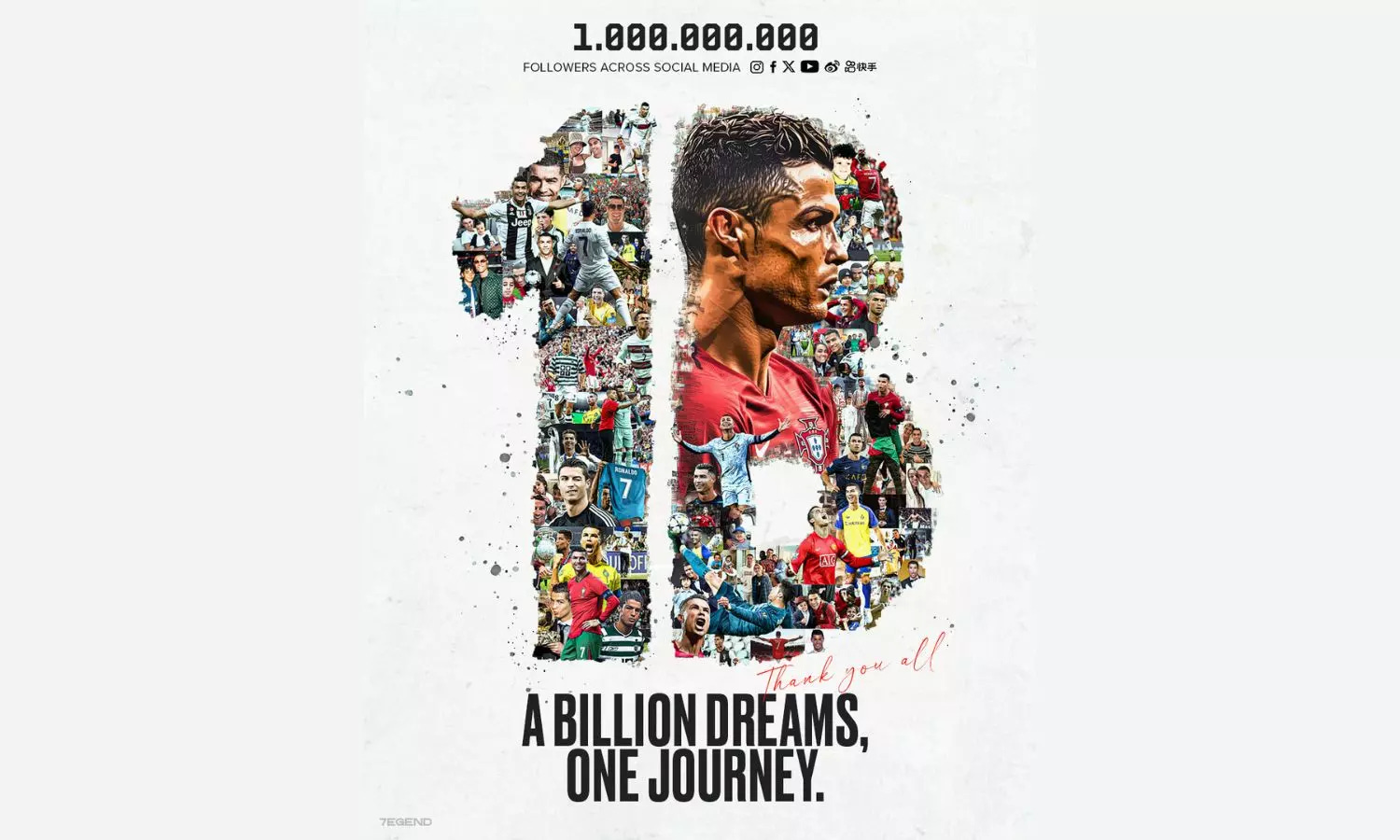
Cristiano Ronaldo is 41 years old. He is making his sixth and final World Cup appearance — a record he shares only with Messi. He has scored 143 international goals, won every major club trophy available to him across five clubs and three countries, won the major European National Team Competitions and accumulated a digital following of approximately 665 million Instagram followers that makes him the most followed individual human being on any social platform on Earth. He is not simply a footballer. He is a global communication infrastructure.
Diogo Dalot, speaking for the squad, articulated the mission with crystalline clarity: the whole world wants Cristiano to lift this trophy. Portugal’s integrated content strategy — built through programmes like Movemind and the deliberate activation of players including João Félix, Pedro Neto, Rafael Leão, and Ronaldo himself as active creators rather than passive media subjects — represents one of the most sophisticated national team content operations in European football.
Ronaldo’s own creator ecosystem extends far beyond anything else. His collaborations with IShowSpeed represent a generational bridge of extraordinary commercial and cultural value. His previous creative ventures with MrBeast — who commands over 340 million YouTube subscribers — demonstrate an instinctive understanding of creator economics that most active professionals have not yet developed. The combination of Ronaldo’s legacy credibility, digital reach, and Speed’s next-generation audience creates a content multiplier effect that no brand budget can replicate.
The strategic question for Portugal — as a nation, as a football federation, as a brand, and as a cultural proposition — is whether this extraordinary moment is treated as a peak or as a launchpad. The infrastructure exists. The IP exists. The digital superstar exists. The creative talent ecosystem is world-class. What is required now is the boldness to treat the Creator Economy not as a supplementary channel to a traditional media strategy, but as the primary engine through which Portugal builds a permanent global audience, global recognition, and global commercial relevance that extends far beyond the days of this tournament.
7. The Last Dance and the Plus One: Portugal’s Most Human World Cup
There is a story running beneath Portugal’s 2026 World Cup campaign that no content strategy could have manufactured, because it is rooted in genuine grief, genuine love, and genuine human solidarity.
On July 3, 2025, Diogo Jota — Liverpool forward, Portugal international, 28 years old — tragically disappeared alongside his brother in a car accident. He had 49 caps and 14 goals for his country. He was one of the most loved figures in the national team dressing room and one of the clearest embodiments of what the Portugal project could become at this World Cup.
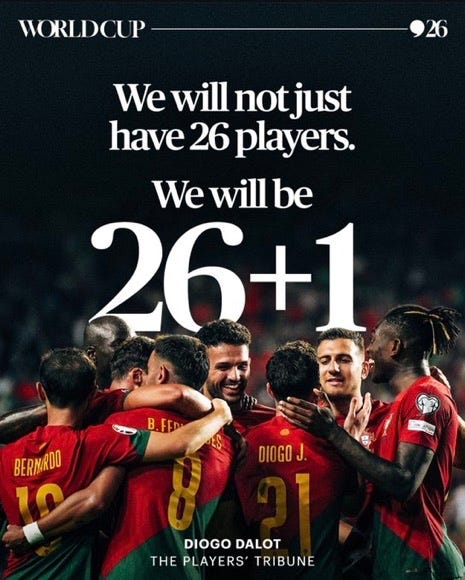
Diego Dalot, recently speak to the Players Tribune: “We will not just have 26 players. We will be 26+1”.
The plus one is Diogo Jota. His spirit, his example, and his unfulfilled dream of a World Cup are woven into the fabric of Portugal’s campaign. Players wear commemorative wristbands featuring the names of every squad member alongside Jota’s name — presented personally by Portuguese Prime Minister Luís Montenegro, confirmed by UEFA and FIFA to comply with regulations, and worn in every training session and on the pitch during competitive matches.
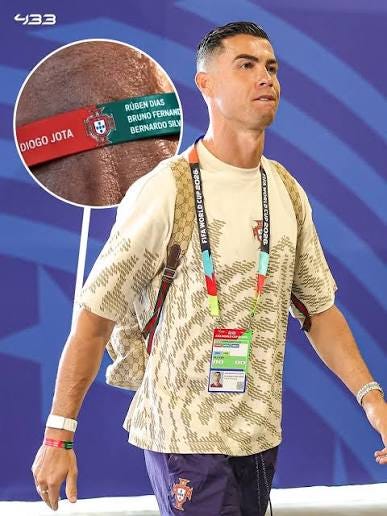
Diogo Dalot has spoken about Jota as a life role model, a person whose example will guide the squad throughout the tournament. The “26+1” structure is not a symbolic gesture. It is a genuine motivational architecture that transforms loss into collective purpose.
And then there is Cristiano Ronaldo, carrying the final chapter of his career onto the world’s largest stage. At 41, the oldest outfield player in the tournament, making his sixth World Cup appearance in a career that began in Germany in 2006, Ronaldo enters this tournament as the living intersection of football’s analogue past and digital future. He has scored eight goals across five previous World Cup campaigns without ever winning the tournament. He has confirmed this is his last. He has said clearly: “For sure, it will be the last one. I’ll be 41 and I’m just enjoying the moment.”
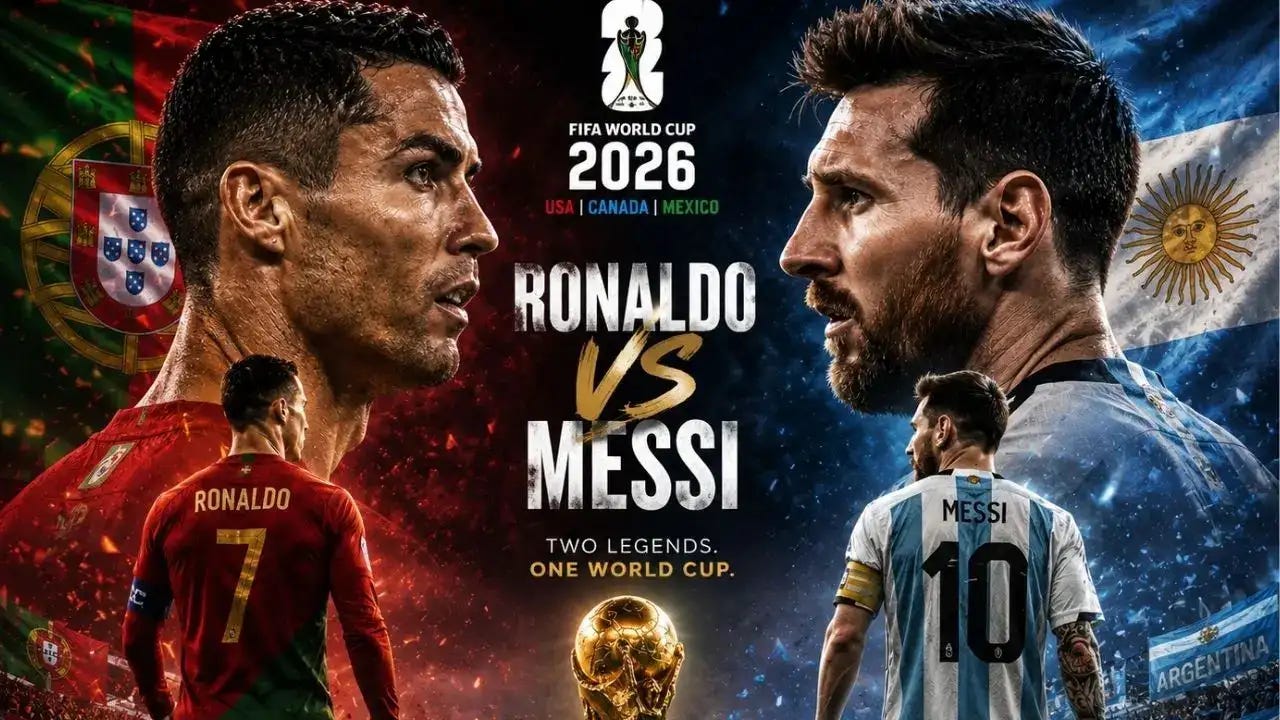
One of the most beautiful stories of rivalry and sportsmanship across sports makes a parallel with Messi inevitable and historic. Both are making their sixth World Cup appearance. Both have now competed across two decades at the highest level. Messi is taking the early advantage but there is still a long way to go. As we say here, if it was easy and with no drama it wouldn’t be Portugal - and both National Teams can still be facing each other in the largest football global stage of all times, which would be making this match, most probably, the most watched event ever in the history of mankind.
For the Creator Economy, this is not just context. This is the most powerful storyline in sport.
Every match, every goal, every moment of Ronaldo’s campaign carries the weight of an entire career’s pursuing excellence. The world is not simply watching Portugal at this World Cup. The world is watching whether one of the greatest athletes in human history achieves his dream.
The Operating System Has Changed
FIFA World Cup 2026 is not a football tournament with a creator dimension. It is the first full-scale deployment of a new operating system for global sport
One in which creators are primary distribution channels, platforms are the new broadcasters, fan content is the new press conference, and where a 40-year-old goalkeeper from a small island nation can generate global recognition instantly on the basis of a single extraordinary performance.
The brands, federations, leagues, and media organisations that recognise this shift — and build the institutional infrastructure to operate within it — will own the next decade of sports. Those that treat the Creator Economy as a supplementary channel, a marketing add-on, or a passing moment in the media cycle will find themselves playing catch-up in a game where the fundamental rules have already been permanently rewritten.
Portugal has a once-in-a-generation opportunity sitting directly in front of it. The most followed human being on the planet is Portuguese. The most powerful creator narrative in football — the last dance of the greatest player of his era — belongs to Portugal. The most emotionally resonant squad story in the tournament — the 26+1, the spirit of Diogo Jota — belongs to Portugal. The emerging creator economy infrastructure, from LiveModeTV to Movemind to the individual platforms of players who are themselves creators, belongs to Portugal.
The World Cup will crown one champion on the pitch. And one champion of the Creator Economy off the pitch. Time to claim both
https://epiphanym3.substack.com/p/the-architecture-of-desolation